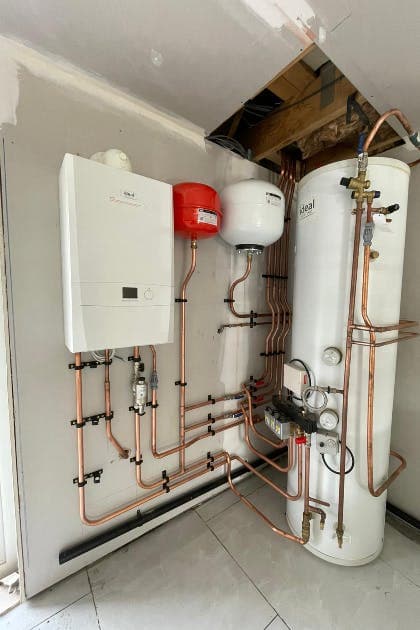
Low boiler pressure can have a simple cause, but repeated drops may point to a leak or component fault that needs professional attention.
Blog
Boiler losing pressure: causes, quick checks, and next steps
GGS Heating

A boiler losing pressure can leave your heating unreliable and may cause the boiler to shut down. A small, occasional change is not always serious, but pressure that keeps falling needs attention. Understanding the gauge and carrying out a few safe checks can help you identify the likely cause before booking a repair.
What boiler pressure should be
Boiler pressure is the pressure of water inside a sealed central heating system. When the system is cold, the gauge will typically read between 1 and 1.5 bar. As the heating warms up, the pressure usually rises slightly, often to around 1.5 to 2 bar.
If the gauge drops below 1 bar, the boiler may struggle to operate correctly or display a low-pressure fault. Pressure above around 2.5 to 3 bar is also a concern, as excessive pressure can cause the safety valve to discharge water.
Common causes of falling pressure
Pressure loss generally means water is escaping somewhere or the boiler is not managing expansion correctly. The source may be visible, such as a radiator valve, or hidden inside the boiler or heating system.
Leaks from radiator valves, pipe joints or visible heating pipework
Water released after radiators were recently bled
A pressure relief valve discharging through the external overflow pipe
A faulty expansion vessel inside the boiler
A filling loop valve that has been left partly or fully open
Radiators, valves and recent bleeding
Look around radiator valves, bleed screws and exposed pipe joints for drips, dampness, staining or corrosion. Even a slow leak can gradually reduce pressure, so check underneath radiators and around the points where pipes enter the floor.
If you recently bled one or more radiators, a small pressure drop is normal because air has been released and the system may have lost a little water. Check the gauge once the system is cool and follow the manufacturer’s instructions for repressurising it. Do not keep topping it up if the pressure soon falls again.
Overflow pipes and expansion vessel problems
Many boilers have a copper or plastic discharge pipe that exits through an outside wall. If it is dripping or leaving a wet patch, the pressure relief valve may be releasing water, which can be linked to excessive pressure, a faulty valve or an expansion vessel that needs attention.
A faulty expansion vessel can cause the pressure to rise sharply when the heating is on, then fall when the system cools. You may notice the gauge moving towards the red section, the boiler discharging water outside or the pressure dropping after each heating cycle. This is not a component to repair yourself, as it requires specialist testing.
Filling loop left open
The filling loop is used to add water to a sealed heating system and is often located beneath the boiler. If its valve has been left open, pressure may rise rather than fall, causing the safety valve to release water. Once the valve operates, the system can later show low pressure.
Only check that the filling loop valves appear closed if you can do so safely and without removing the boiler casing. Never force a stiff valve or alter fittings you do not recognise. If you are unsure, leave it alone and arrange an engineer’s visit.
Try a 24-hour pressure check
A simple 24-hour test can provide useful information. With the heating and hot water off and the system cool, note the pressure on the gauge. Check again after several hours or the next morning, then record the pressure while the heating is running and fully warmed up.
If the pressure falls while the system is off and cool, a leak or discharge is more likely. If it stays fairly steady when cold but rises considerably when the heating is on before falling again as it cools, an expansion vessel or pressure relief valve issue may be involved. This check does not confirm the fault, but your notes can help a heating engineer diagnose it more quickly.
Safe checks and warning signs
You can inspect accessible pipework, radiator valves and the external discharge pipe without touching internal boiler parts. Use a torch, place tissue beneath a suspect joint and look for fresh moisture, but never remove the boiler casing or attempt to repair gas, electrical or safety components.
Stop troubleshooting and call a qualified heating engineer if the pressure repeatedly drops, you see damp patches or corrosion, the boiler keeps cutting out, or water is near electrical connections. Turn off the boiler if it is safe to do so and keep clear of hot water or steam from a discharge pipe.
Arrange the right next step
One pressure adjustment after radiator bleeding may be all that is needed, but repeated pressure loss should not be ignored. Continuing to refill the system can mask a leak and may allow damage to radiators, pipework or boiler components to worsen.
For professional help, contact GGS Heating on 07411054448 to book a boiler repair or central heating repairs visit. You can also use our contact page to arrange an appointment.
Other Articles